

One of the most significant aspects of modern-day photography is the editing of photos. Photography by itself has typically consisted of taking a raw image with a camera. In most cases, a photographer will need to edit an image before it can truly be considered a finished product.
Editing can improve the colours, light levels, details, and distractions to give an image a ‘polished’ look, as well as help the photographer create a more professional outcome.Photographers, authors, and Brands use photo editing for many different reasons. However, not all photo editing will yield successful outcomes. There are types of image processing that are outdated, and these techniques may produce images with an ‘unnatural’ feel and appear to be from a previous era. If you learn how to properly edit your pictures using the most current processes, techniques, and resources available, you can create a higher quality and more realistic image while maintaining a professional look to your photographs.
In the following guide, there will be a discussion of modern methods of editing, photo edits to enhance your image quality, the common pitfalls of photo editing, as well as many useful ways to create appealing photographs that are natural in their appearance.
Why Photo Editing Matters in Modern Photography
Photography is more than simply capturing a scene. Cameras record light and colors, but editing helps photographers shape the final image according to their creative vision.
Professional photography edits help:
- Improve brightness and contrast
- Correct white balance
- Enhance colors naturally
- Remove distractions
- Improve composition
- Highlight important details
- Create consistent visual branding
Even experienced photographers edit their images because editing allows them to refine details that cameras cannot perfectly capture.
Good editing should enhance the photo while preserving realism. The goal is not to completely change the image but to improve its visual quality naturally.
Understanding Modern Photography Edits
Modern photography edits focus on realism, clean colors, and balanced adjustments. Older editing trends often relied on heavy effects and dramatic filters, but current editing styles prefer subtle enhancements.
Popular editing tools used today include:
- Adobe Lightroom
- Adobe Photoshop
- Capture One
- Snapseed
- Luminar Neo
- Canva
These tools help photographers adjust exposure, improve sharpness, reduce noise, and create polished final images.
Professional editors usually work with RAW files because they contain more image information and provide better flexibility during editing.
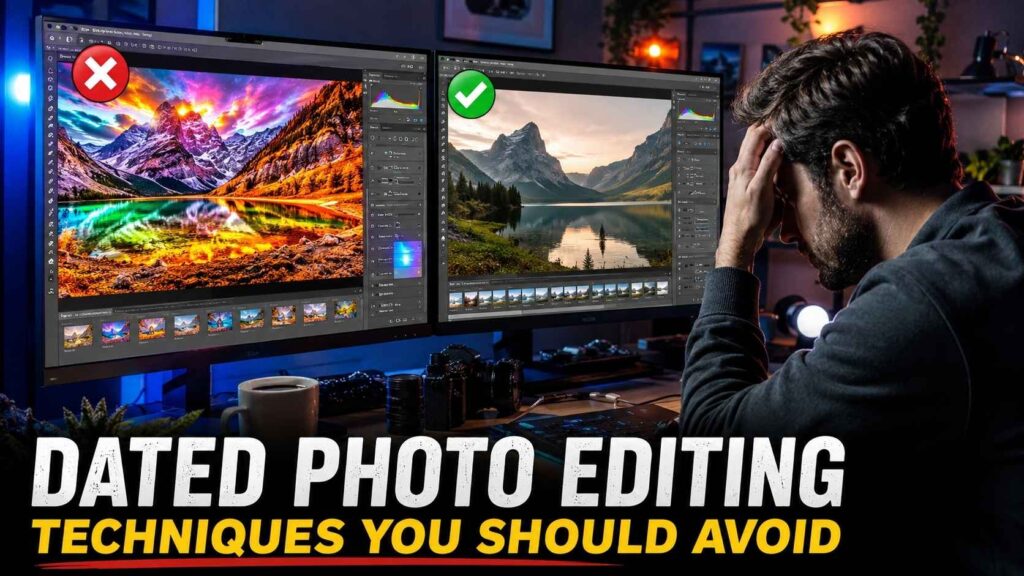
Dated Photo Editing Techniques You Should Avoid
Some editing trends that were once popular now reduce image quality and make photographs look old-fashioned. Avoiding dated photo editing techniques helps your work appear modern and professional.
Over-Saturated Colors
One of the most common outdated editing styles is excessive saturation. Extremely bright colors may initially grab attention, but they often make photos look unrealistic.
Modern editing focuses on balanced and natural color correction instead of exaggerated tones.
Heavy Skin Smoothing
Older portrait editing styles removed nearly all skin texture, creating an artificial plastic appearance.
Today, professional portrait photography edits maintain natural skin detail while carefully reducing temporary blemishes.
Strong HDR Effects
HDR editing became popular because it enhanced details in shadows and highlights. However, overusing HDR creates unrealistic lighting and rough textures.
Subtle dynamic range adjustments now produce cleaner and more realistic results.
Excessive Sharpening
Too much sharpening creates harsh edges and visible halos around objects.
Professional editing uses selective sharpening to maintain image clarity without damaging texture.
Overused Filters
Applying strong filters to every image often creates inconsistent colors and unnatural effects.
Modern photographers prefer manual adjustments that preserve image authenticity.
Essential Editing Pictures Tips for Beginners
Learning simple editing tips for pictures can dramatically improve photo quality. Beginners should focus on understanding the basics before experimenting with advanced effects.
Start With Exposure Adjustment
Exposure controls how bright or dark your image appears. Correcting exposure should always be one of the first editing steps.
Balanced exposure creates a clean foundation for additional edits.
Fix White Balance
Incorrect white balance can make photos appear too warm or too cool.
Adjusting white balance restores natural colors and realistic skin tones.
Improve Contrast Carefully
Contrast adds depth and dimension, but excessive contrast removes important details in shadows and highlights.
Subtle contrast adjustments create more professional results.
Crop for Better Composition
Cropping removes distractions and improves framing.
A well-composed image naturally directs the viewer’s attention toward the subject.
Use Noise Reduction Moderately
Low-light images often contain digital noise or grain. Noise reduction helps clean the image, but too much smoothing removes important detail.
Maintain a balance between clarity and texture.
Photography Edits for Portrait Images
Portrait photography requires careful adjustments because facial details are highly noticeable.
Maintain Natural Skin Texture
One of the best editing pictures tips for portraits is to avoid over-retouching skin.
Natural skin texture creates authentic and professional-looking portraits.
Bright Eyes Subtly
Small eye enhancements can improve engagement and expression.
Avoid excessive brightening because it often looks artificial.
Remove Temporary Distractions
Removing temporary distractions such as stray hairs or small blemishes improves image quality while maintaining realism.
Use Dodge and Burn Techniques
Dodging brightens certain areas while burning darkens others.
Professional portrait photographers use this technique to add depth and shape facial features naturally.
Landscape Photography Editing Techniques
Landscape photography edits focus on enhancing natural scenery without making it look unrealistic.
Recover Shadow Details
Landscape images often contain dark foregrounds and bright skies. Recovering detail improves balance while preserving realism.
Enhance Sky Colors Naturally
A dramatic sky can improve a landscape image, but over-editing often creates fake-looking colors.
Natural gradients produce cleaner and more professional photographs.
Improve Sharpness Selectively
Sharpen key details like mountains, buildings, and trees while keeping softer areas untouched.
Selective sharpening improves realism and visual depth.
Use Graduated Filters
Graduated filters help balance exposure between bright skies and darker foregrounds.
This technique creates smoother transitions in outdoor photography.
Common Editing Mistakes That Reduce Image Quality
Many beginners accidentally reduce image quality while trying to improve their photos.
Over Editing
One of the biggest mistakes in photography editing is applying too many adjustments.
Professional editing focuses on enhancement rather than transformation.
Ignoring Lighting Consistency
Poor lighting adjustments can make photos appear unrealistic.
Always maintain natural lighting direction and balance.
Clipping Highlights and Shadows
Losing details in bright or dark areas reduces overall image quality.
Use histograms to maintain balanced exposure.
Using Too Many Effects
Applying multiple filters and effects often creates messy and inconsistent images.
Simple edits usually produce stronger results.

Editing Pictures Tips for Social Media Content
Social media photography requires editing that looks attractive on mobile screens while maintaining quality.
Keep a Consistent Editing Style
Consistent colors and tones help create a recognizable visual identity.
This is especially important for influencers and businesses.
Optimize Images for Mobile Devices
Most users view content on smartphones, so photos should remain sharp and visually appealing on smaller screens.
Avoid Over-Compression
Compressed images lose detail and sharpness.
Export photos using balanced settings to preserve quality.
Focus on Clean Visuals
Minimal and clean editing often performs better than heavily edited content on social media platforms.
Modern Trends Replacing Dated Photo Editing Techniques
Photography editing trends continue evolving with new technologies and changing audience preferences.
Modern trends include:
- Natural color grading
- Soft cinematic tones
- AI-assisted editing
- Realistic skin retouching
- Minimalist editing styles
- Faster mobile editing workflows
Many photographers are moving away from dated photo editing techniques and focusing more on authenticity and realism.
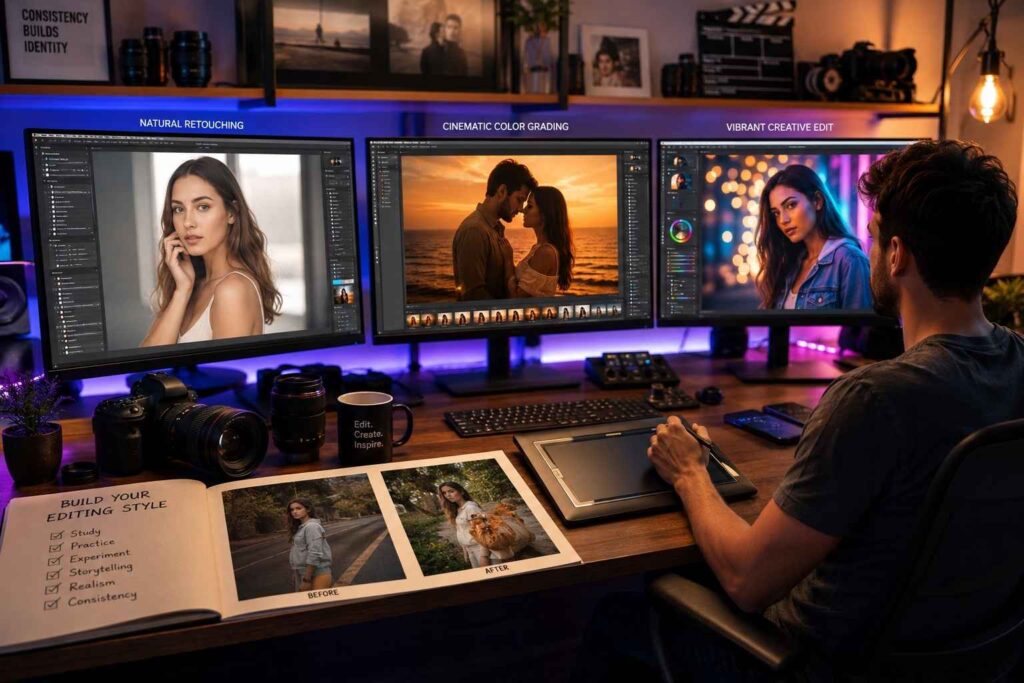
Building Your Own Editing Style
Developing a unique editing style helps photographers stand out in a competitive industry.
To build your style:
- Study professional photography edits
- Practice editing consistently
- Experiment with colors and lighting
- Understand visual storytelling
- Focus on realism
- Maintain consistency across projects
A strong editing style should support your photography instead of overpowering it.
The Future of Photography Edits
Artificial intelligence is changing how photographers edit images. Modern AI tools can automatically:
- Remove backgrounds
- Improve exposure
- Enhance portraits
- Reduce noise
- Apply color corrections
Although AI speeds up workflows, creative decisions still require human understanding and artistic vision.
Photographers who combine modern tools with creative skills will continue producing high-quality visual content.
Final Thoughts
To produce professional-looking pictures in today’s digital world, learning how to edit photographs effectively is important. The main focus of modern photographic editing is to create a photo that represents reality by having realistic-looking colours, natural lighting, and minor changes to an image that increase the quality of the image but do not detract from the way a photograph should appear (i.e., photographs look real).
Additionally, by not using old methods of photographic editing, a photographer can keep their image clean and modern for their audience (i.e., young adults and families).
The most effective method for editing photographs, such as portraits, landscapes, products, and social media content, is to enhance the photograph without compromising its quality. Through dedicated editing, regular practice, and careful attention to detail, you can develop strong visual images that are distinctive on all forms of digital platforms, including websites and portfolios.
TAGS
